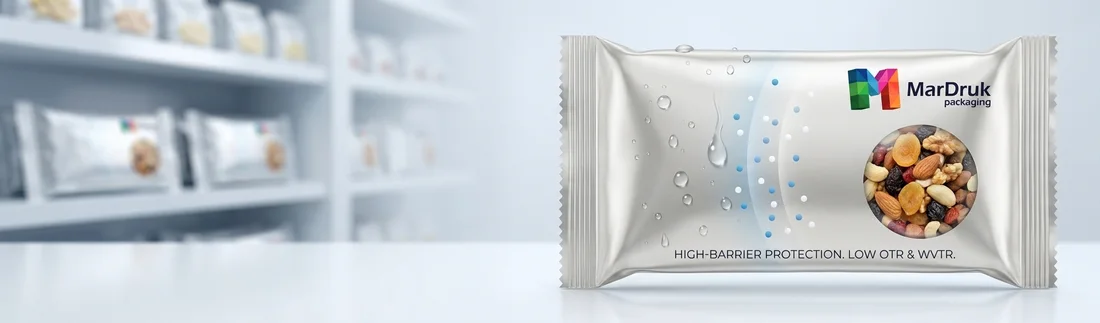
What is barrier packaging and why does it matter so much?
Barrier packaging refers to films and laminates designed to limit the permeation of gases (particularly oxygen), water vapour and odours. Their effectiveness directly affects:
• the shelf life and freshness of the product,
• quality stability throughout the supply chain,
• microbiological safety,
• the reduction of losses and complaints.
In practice this means that even small changes in the material structure can have a real impact on the quality of the finished product.
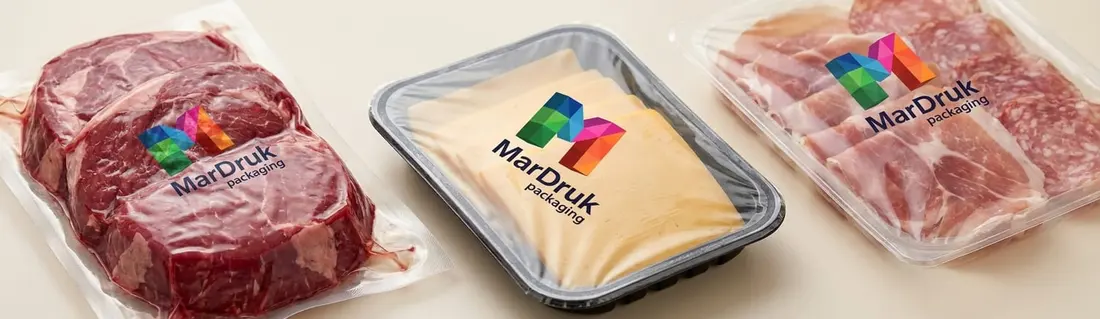
Barrier packaging in the context of material change
Traditionally, high barrier performance was achieved by using multi-material structures such as PET/ALU/PE. Now, with the development of mono-materials and recycling requirements, barrier packaging has to be designed more consciously and precisely.
This means the need to:
• optimise the material structure,
• control film thickness,
• apply barrier coatings,
• confirm the parameters through laboratory testing.
Without this, packaging may meet the formal requirements but fail to provide adequate product protection over a longer period.
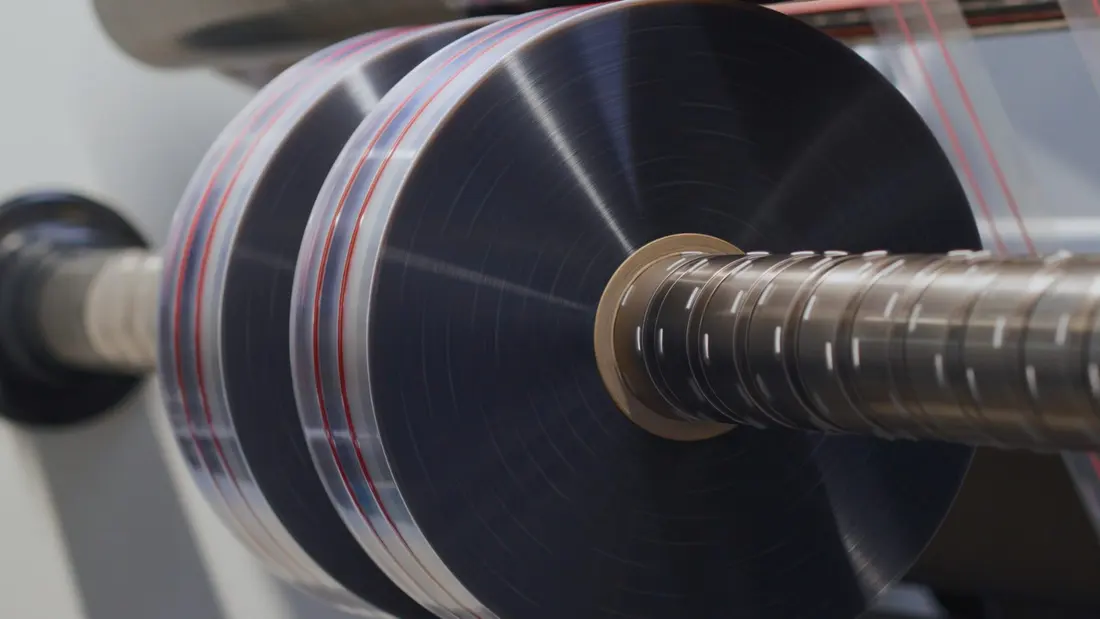
Measuring barrier performance as the basis for designing barrier packaging
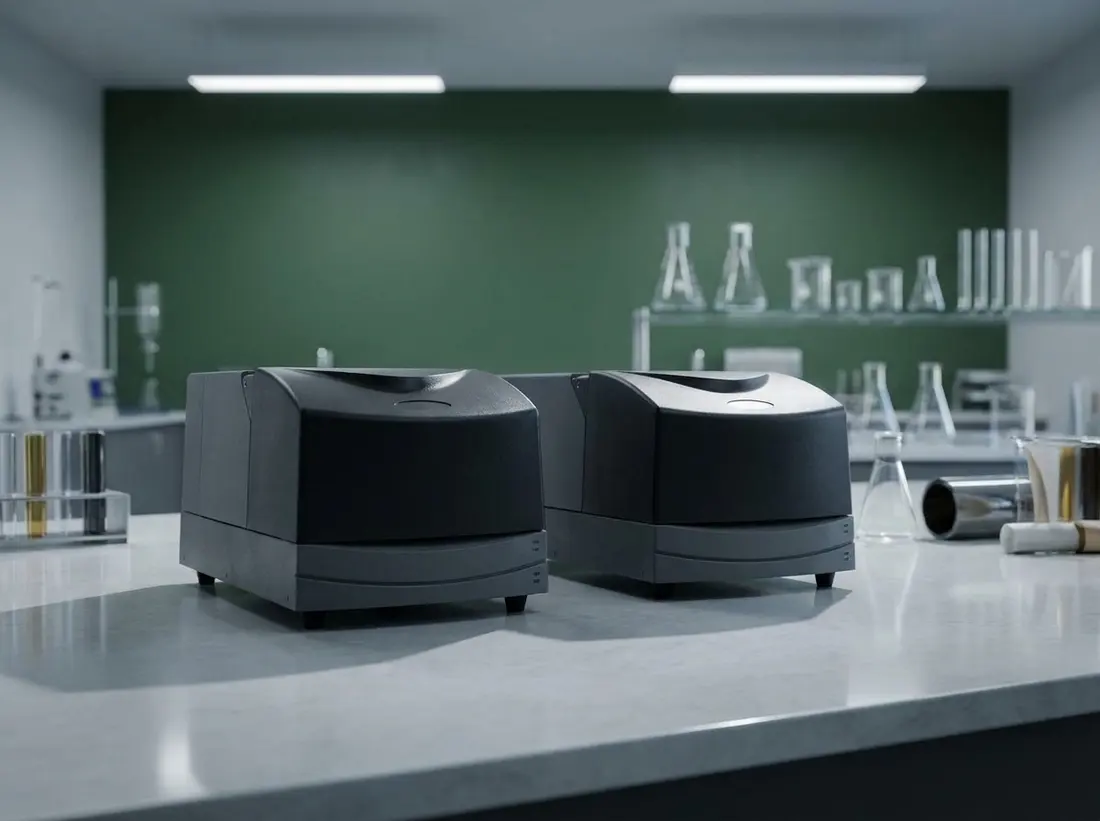
At Mardruk Opakowania, the design of barrier packaging is based on systematic testing carried out by our R&D team. A key element of this process is precise measurement of oxygen permeability (OTR – Oxygen Transmission Rate).
For this purpose we use specialist MOCON OX-TRAN equipment, which allows us to:
• determine the material's barrier level accurately,
• compare different laminate and film structures,
• assess the impact of material modifications on product protection.
This makes it possible to design barrier packaging based on data rather than assumptions.
Which factors affect the effectiveness of barrier packaging?
Barrier testing covers the analysis of many technical parameters, including:
• the material structure of the laminate,
• the thickness of the individual layers,
• the type of barrier coatings used,
• the uniformity of the material,
• the impact of production processes on the final OTR value.
This approach makes it possible to optimise barrier packaging precisely, including in next-generation solutions.
Barrier packaging and the stability of production and logistics
From the point of view of procurement and production departments, barrier packaging serves as a risk-management tool. A thoroughly tested material makes it possible to:
• predict its behaviour on packaging lines,
• reduce the risk of downtime,
• ensure repeatable quality,
• assess the product's shelf life in transport and storage.
This is especially important for products sensitive to oxidation and for long supply chains.
Summary – barrier packaging as part of conscious design
At Mardruk, barrier packaging is treated as an integral part of product protection, not merely a carrier for graphics. Thanks to the work of our R&D team and the use of modern laboratory equipment, we create solutions that:
• provide real protection of the contents,
• increase product shelf life,
• meet the growing requirements of regulators,
• are stable and predictable in series production
• Order a free consultation and specification (substrate, activation, perforation).
• Order samples and a pilot run.
• Get a fast quote and a delivery plan that keeps to the calendar.
Write or call — we will reply quickly and to the point.
Frequently asked questions
Barrier packaging refers to solutions designed to protect the product effectively against external factors such as oxygen, moisture, light and odours. Thanks to a well-chosen material structure, it helps maintain the quality, freshness and shelf life of the product.
Barrier packaging is used above all in the food, cosmetics, pharmaceutical and chemical sectors. It is used wherever a product needs increased protection during storage, transport and sale.
The most important advantage of barrier packaging is the high level of product protection against the adverse influence of the external environment. In addition, it helps extend product shelf life, improves storage safety and better matches the packaging to the specifics of a given sector.
Barrier packaging can protect against, among other things, the ingress of oxygen, the permeation of water vapour, aroma loss, the effect of light and external contaminants. The scope of protection depends on the materials used and the construction of the packaging.
The choice of barrier packaging should take into account the type of product, its sensitivity to external factors, the required shelf life and the storage and transport conditions. A well-designed packaging structure makes it possible to protect the product better and preserve its properties.
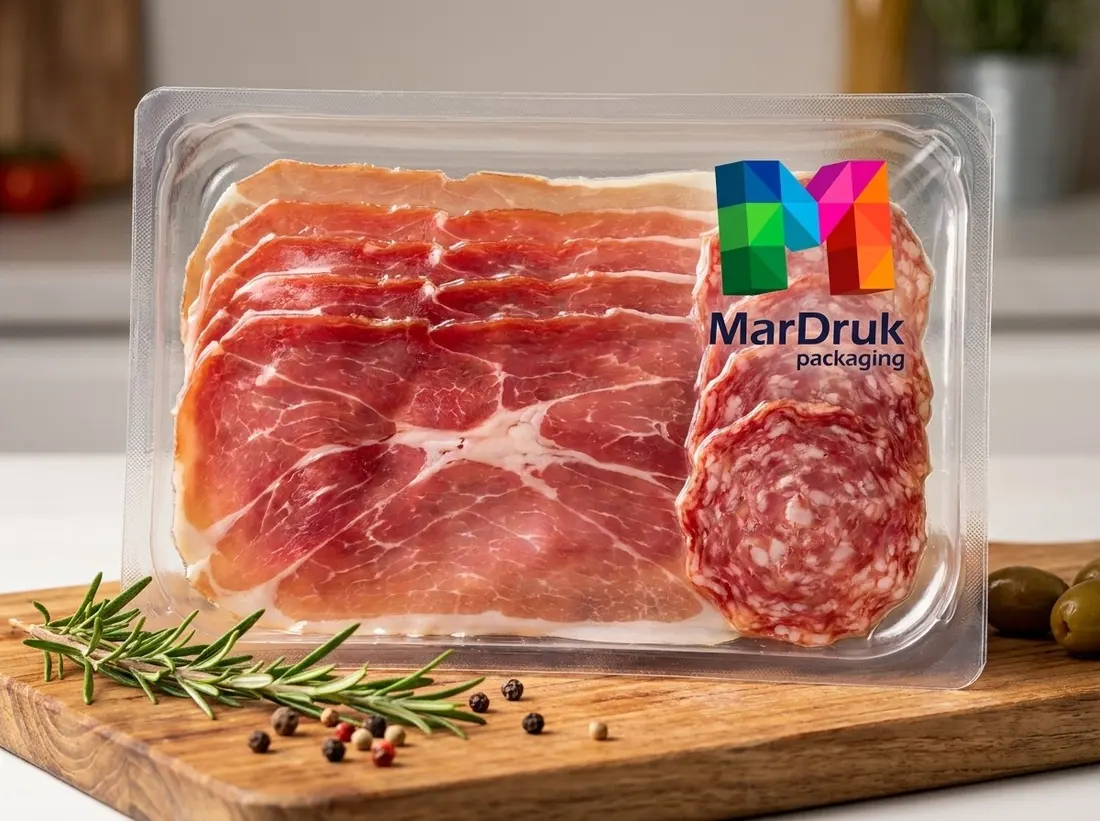
Dobrze dobrana folia barierowa
Sama deklaracja parametrów nie wystarcza, ponieważ klient ostatecznie ocenia materiał po tym, czy dobrze się zgrzewa, czy współpracuje z pakowarką i czy zachowuje powtarzalność w regularnej produkcji, dlatego w Mardruk stawiamy na testy, laboratoryjną weryfikację i sprawdzanie rozwiązań w realnych warunkach. To właśnie takie podejście pozwala ograniczyć ryzyko wdrożenia i uniknąć sytuacji, w której próbka wygląda dobrze, ale późniejsza produkcja nie utrzymuje tego samego poziomu jakości.
Rynek folii barierowych zmienia się razem z wymaganiami klientów
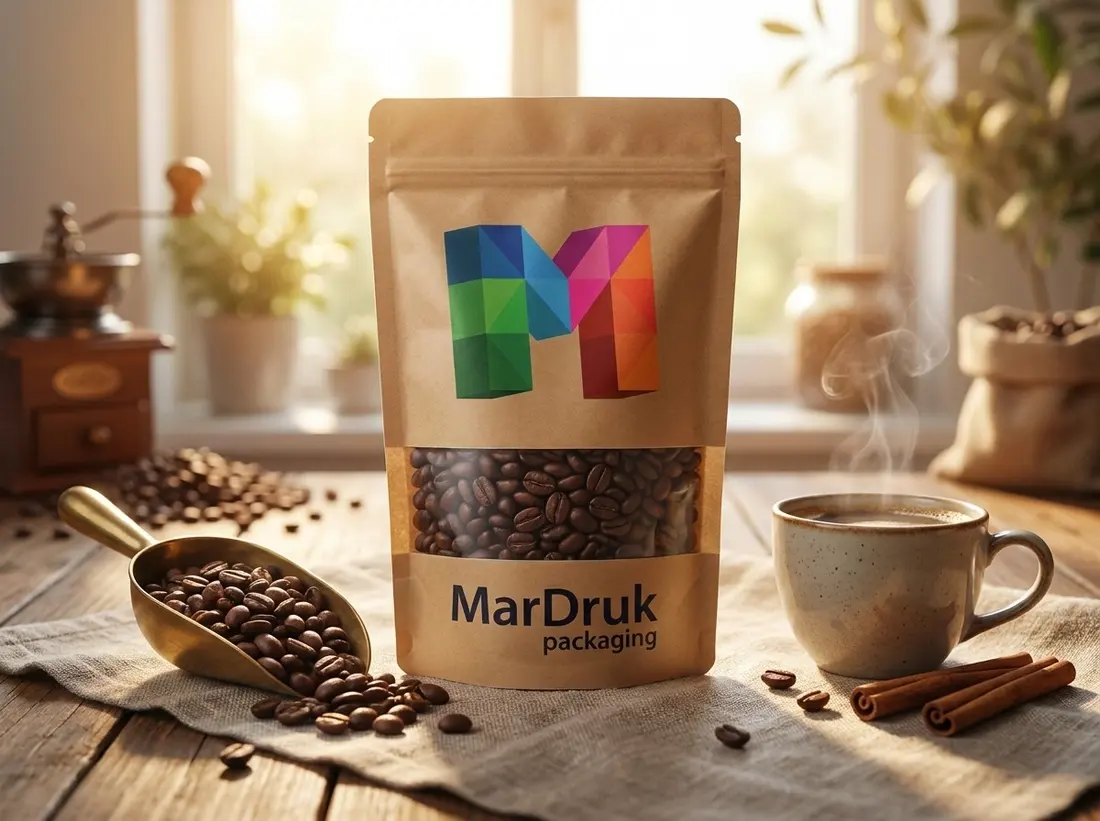
Coraz większe znaczenie mają dziś recykling, monomateriały i zamienniki dla bardziej złożonych struktur, dlatego folia barierowa nie może być projektowana wyłącznie pod bieżące potrzeby, ale również z myślą o tym, co będzie ważne w kolejnych latach. W Mardruk śledzimy te zmiany i rozwijamy rozwiązania, które łączą skuteczną ochronę produktu z bardziej nowoczesnym podejściem do materiałów, dzięki czemu pomagamy klientom przygotować opakowania na przyszłe wymagania rynku, a nie tylko na aktualne zamówienie.
Przy folii barierowej liczy się nie tylko materiał, ale cały proces
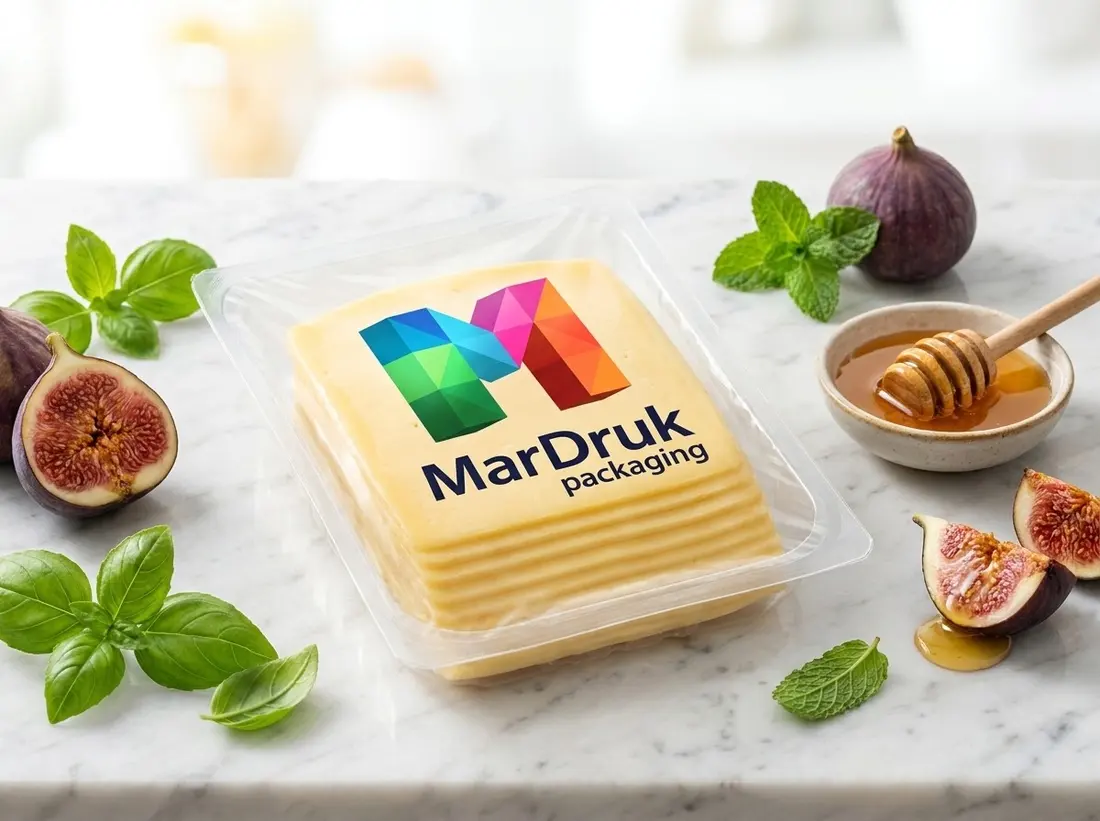
Dobra współpraca nie kończy się na wyborze folii, ponieważ równie ważne są przygotowanie próbki, kontrola jakości, zgodność produkcji z wcześniejszymi ustaleniami oraz terminowość dostaw, dlatego w Mardruk prowadzimy projekt kompleksowo od przygotowania matrycy i projektu, przez druk, laminację i cięcie, aż po dostawę gotowego opakowania. Taki model upraszcza cały proces, zmniejsza ryzyko błędów i daje klientowi większą pewność, że wszystko jest pod kontrolą jednego partnera.
Podsumowanie
Folia barierowa to rozwiązanie, które pomaga chronić produkt, utrzymać jego jakość i zapewnić większą stabilność całego procesu pakowania. Jeśli chcesz dobrać materiał dopasowany do swojej produkcji, skontaktuj się z nami. W Mardruk przygotujemy rozwiązanie, które będzie skuteczne, powtarzalne i dopasowane do Twoich potrzeb.
Zrób kolejny krok:
• Zamów bezpłatną konsultację i specyfikację (nośnik, aktywacja, perforacja).
• Zamów próbki i serię pilotażową
• Odbierz szybką wycenę i plan dostaw, który trzyma się kalendarza.
Napisz lub zadzwoń – odpowiemy szybko i konkretnie.
Częste pytania
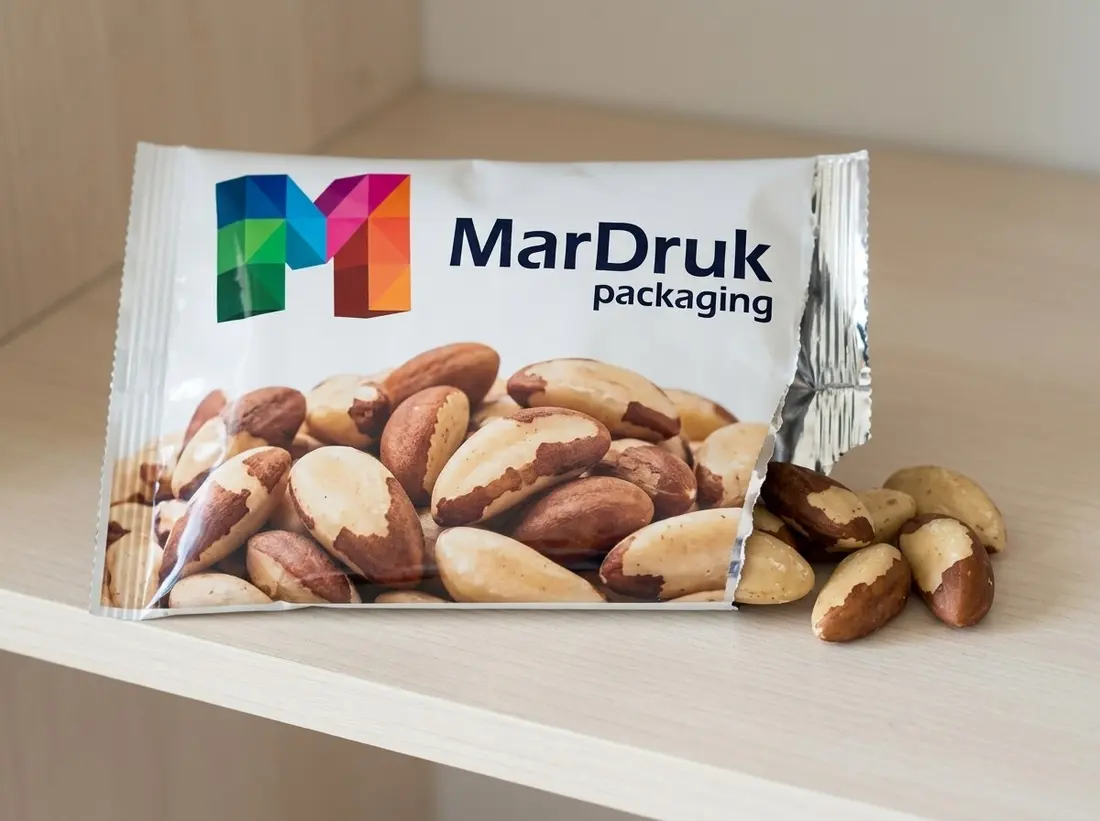
Folia barierowa to materiał opakowaniowy, który chroni produkt przed tlenem, wilgocią i innymi czynnikami zewnętrznymi, dzięki czemu pomaga utrzymać jego jakość i trwałość.
Folia barierowa jest stosowana między innymi przy pakowaniu żywności, która wymaga lepszej ochrony podczas przechowywania, transportu i sprzedaży.
Ponieważ wpływa na świeżość produktu, jego bezpieczeństwo oraz stabilność całego procesu pakowania, a dobrze dobrany materiał pomaga także ograniczać straty i problemy na linii produkcyjnej.
Warto uwzględnić rodzaj produktu, wymagany poziom ochrony, warunki przechowywania, sposób pakowania oraz to, jak materiał zachowuje się podczas regularnej produkcji.
Tak, folia barierowa może być dobrana do specyfiki produktu i parametrów linii pakującej, dlatego przed wdrożeniem warto sprawdzić jej działanie w praktyce.
Sounds like your project?
Write or call — our technologist will advise on the structure and quote your volume within 24 hours.
Free quote +48 731 819 963 office@mardrukopakowania.pl